

The Penny’s Final Chapter — and What It Means for You
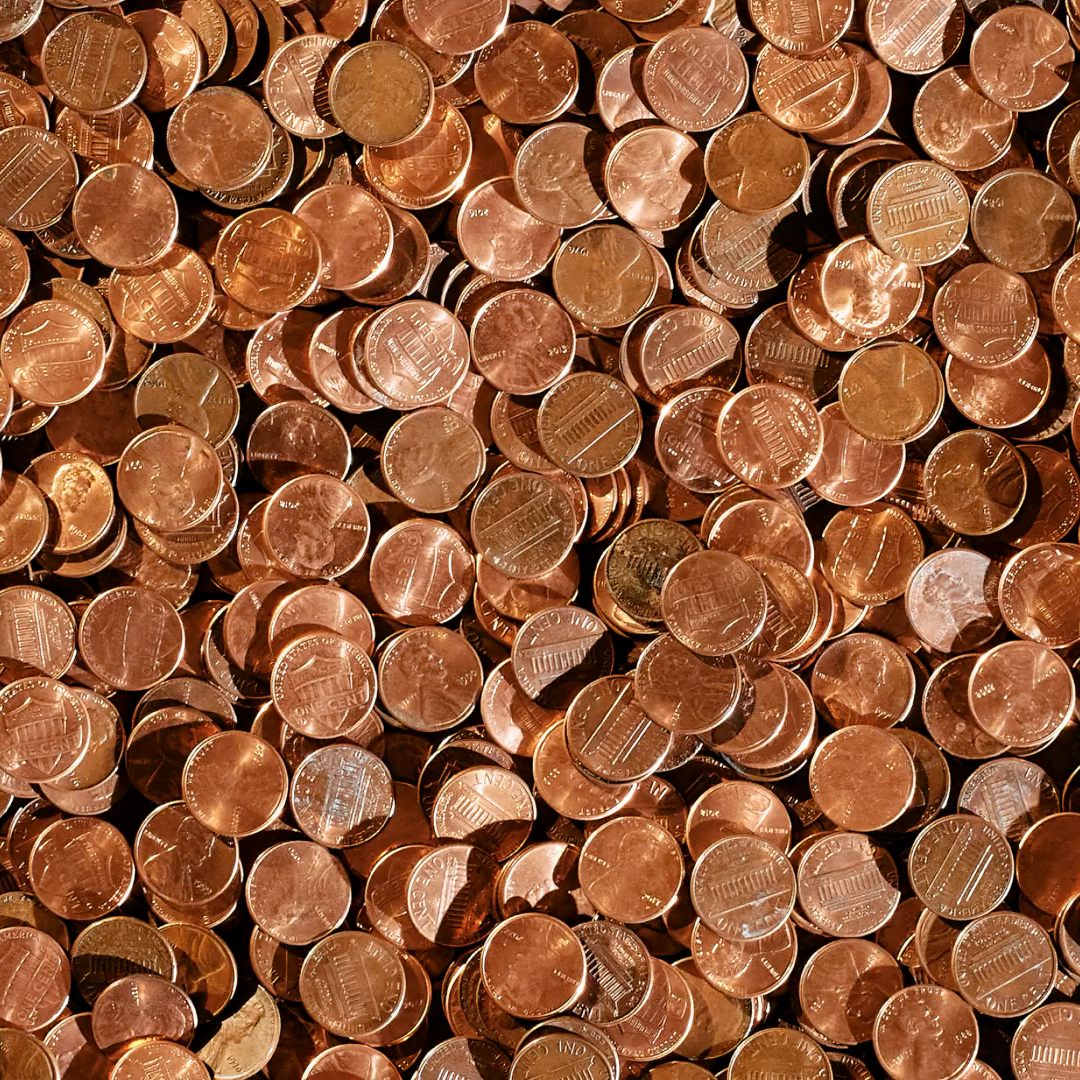
If you’ve seen news headlines recently about the U.S. “retiring the penny” by 2026, you may be wondering: Is this real? What happens to all the pennies we’re holding? And how will everyday life, especially at the cash register, change? As your local bank, we want to explain what’s happening, how it is already creating ripple effects, and how we’ll work with you every step of the way.
What “Retiring the Penny” Means and Why It’s Happening
The plan to cease production
- The U.S. Treasury has announced that it will stop minting new penny coins sometime in early 2026.
- This decision responds to the fact that each penny now costs about 3.7 cents to produce — nearly four times its face value.
- While new pennies will not be minted for general circulation, existing pennies will remain legal tender. That is, you can still use or deposit them.
How Retiring the Penny Is Causing a Coin Shortage
Although the transition has not fully happened, the news of penny retirement has already contributed to a shortage of pennies in circulation.
The Federal Reserve distributes coins to banks, and as existing penny stocks dwindle, some distribution centers are no longer filling penny orders in certain locations.
What the Penny Retirement and Shortage Could Mean for Consumers
| Potential Impact | What You Might See | Notes |
| Rounding of cash totals | Your $10.02 purchase might be rounded down to $10.00, or a $10.04 purchase might round up to $10.05 | Rounding applies only to the cent portion in cash transactions. Card, check, or digital payments should stay exact. |
| Difficulty making exact change | Stores may ask for exact change, decline to make change involving pennies, or use “no-cent-change” policies. | Many small businesses will adapt with rounding or require card use in low-change situations. |
| Fewer pennies in ATMs or cashier stations | You might see “pennies out of stock” signs or unavailability of small change. | Over time, there will be fewer pennies, and larger coins (nickels, dimes, and quarters) will be used more widely. |
What Our Bank Is Doing and How We’ll Help You
At Guaranty Bank, we aim to make transitions smooth for all our customers. Here’s how we’re preparing and supporting you:
- Enhanced coin recirculation
- We’ll continue to accept pennies, coin rolls, and loose change for deposit or exchange.
- Monitoring coin inventory closely
- We’re coordinating with the Federal Reserve’s coin distribution system to understand supply trends.
- When penny stock is limited in specific areas, we may restrict the quantity of pennies customers can receive.
What You Can Do to Help Make the Transition Easier
- Bring in your spare pennies — every coin helps support circulation.
- Use digital or card payments when possible — these are unaffected and reduce dependence on coins.
- Be patient and kind with businesses adapting to new policies on cash transactions.
- Pay attention to notices from your bank and local merchants on how they’ll handle rounding and coin limitations.
Final Thoughts
The retirement of the U.S. penny marks the end of an era that stretches back over two centuries. The change may feel small at first — but managing it well, with transparency, planning, and a community-first mindset, will make all the difference.
Here at Guaranty Bank, we’re committed to walking through this change with you, supporting your access to everyday cash needs, keeping you informed, and making the shift as seamless as possible. If you have questions or concerns about pennies, rounding, or how this might affect your accounts, stop by your local branch or reach out to us — we’re here to help.